Chasing Golden Edges along the Sussex Chalk Cliffs
This guide compares sunrise versus sunset on the Sussex chalk cliffs and shows exactly when and where to find the most flattering light. From Seaford Head to Beachy Head, you’ll discover angles, tides, safety, and creative setups, with stories from dawn chills and glowing dusks. Share your questions, favorite spots, or subscribe for new field notes so we can refine plans together before the next golden hour arrives.

How Light Plays on White Chalk

White chalk magnifies every nuance of sunlight, bouncing warm tones with a glow that can seem almost backlit even when the sun is low. At sunrise, sidelight carves shadows into gullies; at sunset, contours compress into sculptural ribbons. Expect extreme dynamic range, brisk wind, and salt haze that reduce contrast yet deepen atmosphere. Anticipate subtle color shifts, because warm light warms chalk differently than sea-foam, sky, and grass-topped edges, demanding delicate exposure decisions and patient, premeditated framing.

Seaford Head and the Coastguard Cottages

From the grassy brow above the Coastguard Cottages, watch the Seven Sisters stack into a gleaming procession as sunrise skims along their planes. The cottages anchor scale and nostalgia while chalk arcs catch progressive highlights. Arrive in nautical twilight to secure a safe position on firm paths, then fine-tune framing as color climbs. Slight side-on alignment enhances sculpted faces without flattening. Mind respectful distances from fences, and keep tripods tight in brisk dawn gusts that can nudge legs toward soft edges.

Cuckmere Haven at Low Tide

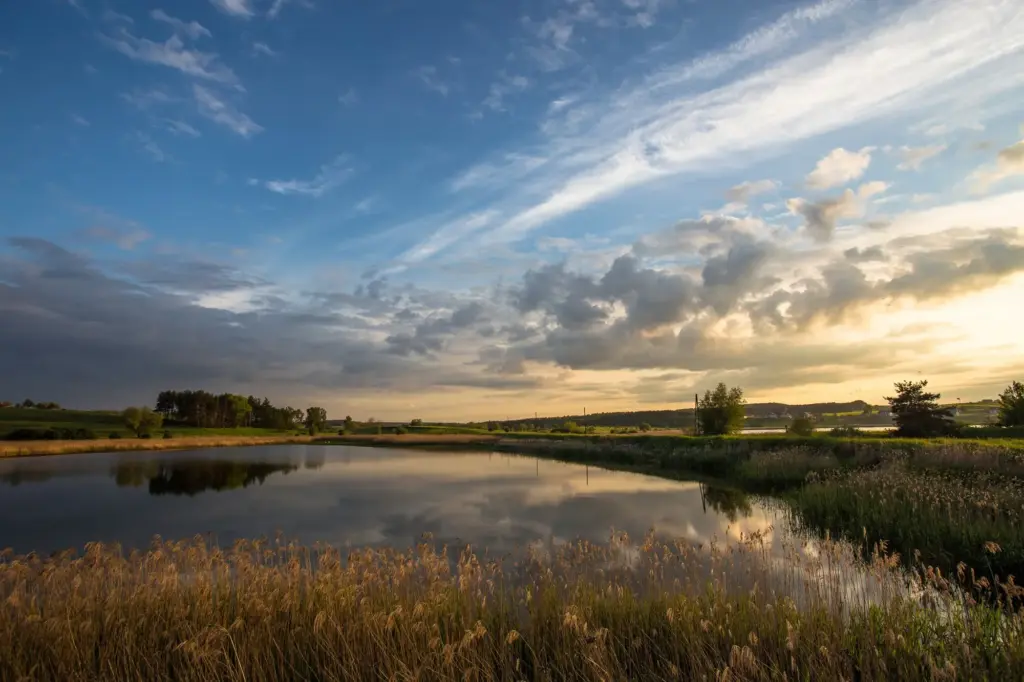
When tides recede, polished stones and thin films of water create painterly reflections that double the sky’s first colors. Position yourself along the meanders to align sinuous lines with brightening cliffs. Winter dawns often yield dramatic separation as cold air holds haze low; summer offers pastel gradients and sand ripples. Rubber boots expand choices, but always leave a safe retreat route. If clouds bunch on the horizon, linger: the second light surge can arrive moments after the sun clears a distant band.

When Day Slows: Sunset Color and Afterglow

Evening brings gentler winds, fuller car parks, and time to experiment as light lingers. The cliffs glow from the opposite side, transforming morning’s chiselled relief into layered harmonies of peach, lilac, and cobalt. Plan for afterglow phases: ten to twenty minutes post-sunset often deliver the richest tones on white chalk. As shadows deepen, water smooths into mercury, perfect for reflections and long exposures. Keep headlamps ready for safe returns, and track the last busyness of tides beneath platforms.

Birling Gap: Steps, Platforms, and Receding Ridges

Birling Gap’s metal stairs drop to rock platforms that sing at sunset when waves polish seams into silver ribbons. Low tide reveals striations directing the eye toward warm cliffs. Carefully time your visit so retreat remains easy if swells build faster than expected. Graduated filters or bracketing tame the bright sky while preserving chalk character. Between sets, explore small foregrounds—ridged algae, trapped foam swirls, fractured flint—then pull back for grand curves as the last orange line dissolves into velvet blue.

Hope Gap Reflections and Parallel Lines

At Hope Gap, rock pools arrange themselves like small mirrors that eagerly drink the sky’s last embers. Kneel low for huge reflections and let leading lines from channels guide viewers toward glowing headlands. A mid-focal-length lens simplifies geometry without swallowing distant headland rhythm. On calm evenings, wait for glassy surfaces; on breezier nights, embrace textured micro-waves to scatter color. The best frames often arrive after most visitors leave, so keep watching as subtle gradations blossom quietly in the deepening cobalt.

Tides, Weather Windows, and Safe Footing

The Sussex coast rewards planners who respect tides and chalk’s fragile edges. Low tide opens foregrounds yet can trap inattentive wanderers against rising swells. Chalk crumbles unpredictably, so keep well back from edges and obey signage. Forecasts matter: post-frontal evenings clear haze dramatically, sea breezes lift spray, and winter inversions sculpt radiant dawns. Build buffers for walking times, slippery steps, and parking delays. A thoughtful plan converts fleeting color into calm, creative minutes rather than rushed, distracted seconds.

Read the Tide, Plan the Escape

Study official tide tables and choose windows that expose platforms without stealing your exit. Mark a latest safe departure time on your phone and stick to it regardless of color drama. If swells exceed expectations, move higher, prioritizing a wide vantage and a longer focal length. Never shortcut across algae-slick paths to beat the water; chalk and weed combine into treacherous glass. Share your plan with a buddy, check reception black spots, and carry a whistle as low-tech reassurance.

Wind, Spray, and Solid Tripods

Channel winds funnel unpredictably, punishing wobbly legs and lightweight heads. Hang your bag from the tripod hook, spread legs wider, and lower height when gusts surge. Use a remote release or two-second timer to minimize shake during long exposures. Salt spray will find your glass; a microfiber cloth and protective filter save frustration. Consider lens hoods even at dusk, because stray light still bleeds across polished chalk. When sand or pebbles grind, stop, adjust calmly, and protect mechanisms before they grit closed.

Edges, Grassland, and Respectful Routes

Stay behind fences and desire lines, giving chalk cornices a wide berth; collapses often occur with zero warning. Fragile chalk grassland hosts orchids, skylarks, and rare invertebrates, so stick to established paths to preserve habitats. Avoid trampling cliff-top flowers for foreground texture; seek rock pools or lines instead. If you guide friends, model the behavior you hope to see. Pack out trash, step aside for locals, and greet dog walkers—goodwill opens conversations that lead to quiet viewpoints you might otherwise miss.

Tools, Lenses, and Exposure Craft

High-contrast scenes and reflective chalk reward careful technique more than the fanciest body. Neutral-density grads, brackets, and gentle post-processing help keep whites honest while skies sing. A polarizer can deepen sea color, but rotate cautiously to avoid unevenness across ultra-wide frames. Bring a sturdy tripod, microfiber cloths, spare batteries warmed in a pocket, and a headlamp for civil-twilight exits. Pair technical control with storytelling intent so every frame reveals place, weather, and quiet time well spent.

Seasons, Timing, and Community Sharing
Sun angle pivots across the year, subtly changing how ridges glow and how reflections paint tidal films. Summer delivers pastel pre-dawn and late civil twilight strolls; winter gifts dramatic, low arcs and easier sunrises. Track astronomical, nautical, and civil twilights, test scouting walks, and sketch compositions on your phone. We’d love your input—post your routes, discoveries, and safe alternatives—so newcomers avoid fragile edges while finding fresh, respectful viewpoints that keep the chalk singing for decades.
Novimorivarolaxi
Privacy Overview

This website uses cookies so that we can provide you with the best user experience possible. Cookie information is stored in your browser and performs functions such as recognising you when you return to our website and helping our team to understand which sections of the website you find most interesting and useful.