
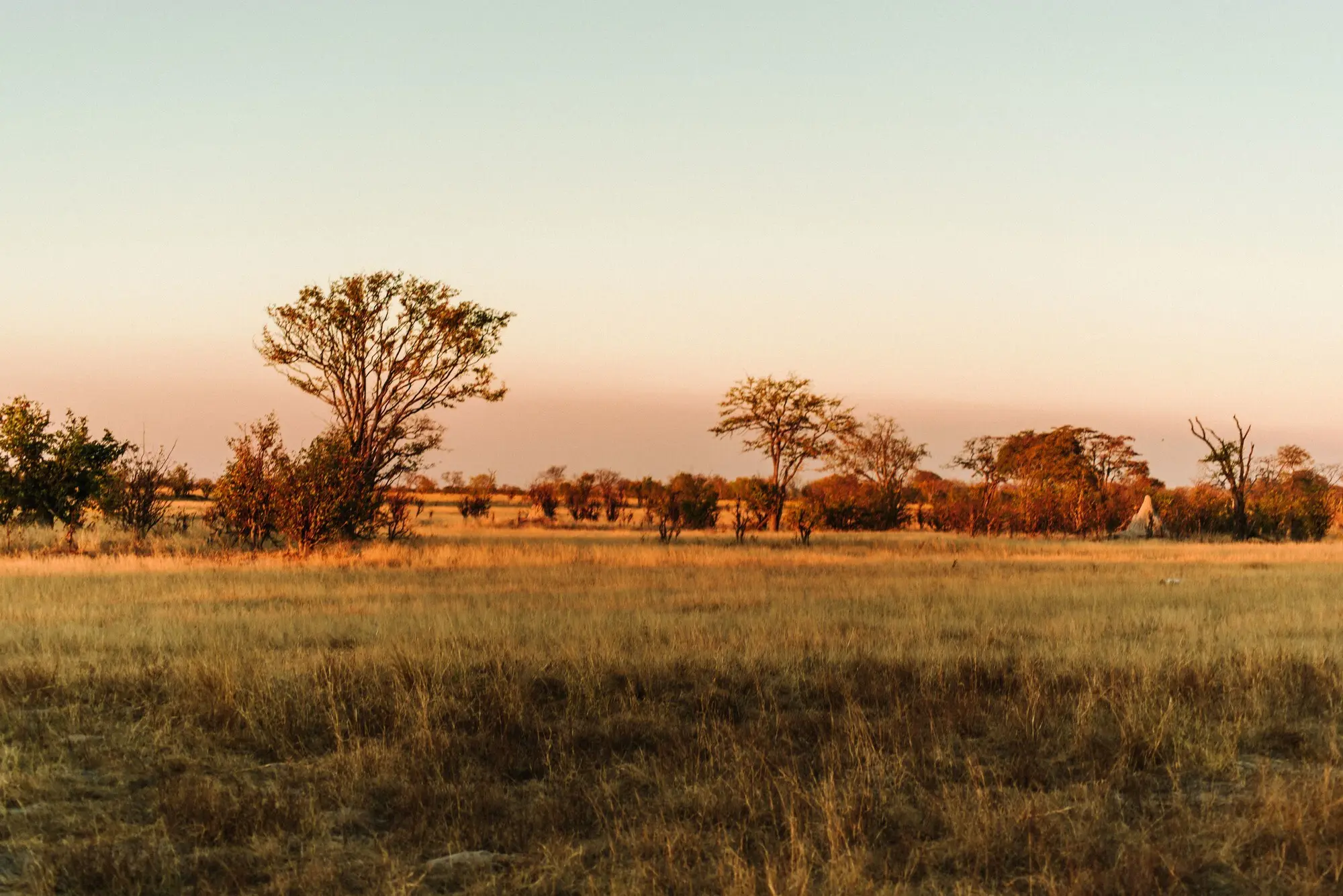
Golden Hours Above the Chalk Sea

Today we explore seasonal color and wildflower foregrounds on Sussex clifftops during low sun, following the chalk steps from Cuckmere Haven to Beachy Head. Warm, raking light sculpts thrift, viper’s-bugloss, and gorse while tide and wind shape mood. Expect practical fieldcraft, image-making ideas, and heartfelt stories that invite you to wander safely, notice patiently, and share your own sightings or questions with our growing community.

Golden Slant and Chalk Glow

Chalk reflects like a modest softbox, bouncing warm rays into shaded petals and brightening recesses between clumps. Metering can be fooled by the pale cliff face, so ride exposure compensation, watch the histogram’s right edge, and preserve highlight texture without sacrificing the saturated twilight resting in grasses and blooms.

Backlit Petals and Controlled Flare

Backlight turns thrift halos luminous; a hood, slight hand shade, or shifting a step changes flare geometry. Stop down to reveal starbursts through seedheads, yet bracket wider for softer veils. Tiny movements align sun with stems, revealing tension, contour, and stories that shimmer without breaking contrast or color.

Ephemeral Windows After Weather Shifts

When showers clear eastward, low sun often pours beneath lingering cloud, igniting clifftop meadows while the sea stays brooding. Watch radar sweeps and wind arrows; ten spare minutes can unlock brushes of color impossible at any other hour, rewarding patience, thermos tea, and nimble, decisive framing.

Spring Thrift and Cowslips

April into May brings tight domes of thrift blushing pink among chalk pebbles, while cowslips hang lanterns over cropped turf. Low sun brushes both with honeyed edges, revealing resilient growth rings. Kneel close and listen; bees script tiny arcs, adding motion, purpose, and audible warmth to frames.

High-Summer Blues and Purples

By June and July, viper’s-bugloss towers with electric blue, woven with scabious lilacs and knapweed purples. Against chalk-white walls and inked shadows, these hues sing. Golden hour rounds the forms, softens bristles, and invites longer focal lengths to compress layers into painterly gradients pouring toward the Channel.

Wind, Salt, and Survival

Plants here hunker, thicken leaves, and cling to lime-rich crumbs, drinking mist when rain misses. Noting these adaptations informs placement: clusters nestle behind humps, stems lean predictably, and paths curve where gales relent. Read patterns kindly so composition respects lives that make every color possible.

Foregrounds that Lead to Infinity

Great clifftop photographs often begin underfoot. A single tuft can carry a viewer from laces to horizon, stitching chalk textures, sea geometry, and sky narrative into one breath. Choose relationships, not objects, and let the foreground whisper path, rhythm, and intent before the coast’s grand architecture answers.

Kneeling Low, Focus-Stacking with Care

Drop the camera to flower height and watch distances explode. At twenty millimeters, a palm-wide cushion fills the frame yet still invites cliffs beyond. When depth exceeds optics, stack exposures gently, anchoring on stems in a still moment, and avoid wind-bent seams by leaving a little softness where life moves.

Color Harmonies with Sea and Sky

Use complementary plays: magenta thrift brightens aqua seas, yellow cowslips warm cobalt shadows, and blue bugloss bridges sky to chalk. Shift position until hues converse without shouting. Low sun enriches pigments, so slight angles redefine balance; tiny sidesteps can tune harmony from clashing chorus to clear, confident melody.
Scale Cues and Gentle Human Traces

Boot prints, a weathered fence post, or a distant walker across Seven Sisters grants scale without stealing attention. Place traces near thirds, keep eyes on safety margins, and let lines arc toward a sunlit edge, so viewers sense breath, size, and wind while flowers remain storytellers.

Reading Signs and Ground Truth

National Trust markers, fresh cracks, slumped fences, and damp, darkened seams whisper hazards. Walk inland first, then approach diagonally from security, never straight to the brink. If a vantage tempts, ask whether tomorrow’s light might offer it safely from a different spot, preserving life and lilies alike.

Respecting Nests and Footpaths

Skylarks spiral from turf; ground nests hide within tangles. Stick to established paths and bare patches, placing tripods on rock or compacted soil. Knees and elbows crush slowly; pads help. Let wildflowers remain unbent, and accept imperfect positions as part of an ethic that nourishes future color.

Tools that Serve the Story

Glass Choices for Space and Compression

A wide-angle near ground turns thrift into continents and cliffs into sweeping continents’ margins, while a short telephoto compresses bands of color into abstract tapestries. Carry both. Prime or zoom matters less than knowing what each says and when the rising glow deserves a different voice.

Filters, Hoods, and Dynamic Range

Low sun means extreme contrast. A soft-edge graduated neutral-density filter balances sky and field without carving a line through cliffs. Lens hoods tame veiling flare; bracketing or modern sensors rescue shadows. Always protect skin tones in any included hiker so warmth reads as lived, not plastic.

Fighting Wind with Technique

Wind sketches flowers with calligraphic blur unless you plan. Raise ISO modestly, use faster shutter speeds, and time exposures between gusts. Stabilize tripod legs low, hang a bag from the hook, and cradle the lens. Embrace a little motion where story favors breath over rigidity.

Moments Carried Home

Certain evenings write themselves across memory. A single bank of cloud opens, bees thicken air above thrift, and gulls carve glyphs into the afterglow. Collect such pieces carefully, with gratitude and patience, and let photographs echo the heartbeat you felt along the chalk where sea speaks.
Novimorivarolaxi
Privacy Overview

This website uses cookies so that we can provide you with the best user experience possible. Cookie information is stored in your browser and performs functions such as recognising you when you return to our website and helping our team to understand which sections of the website you find most interesting and useful.