
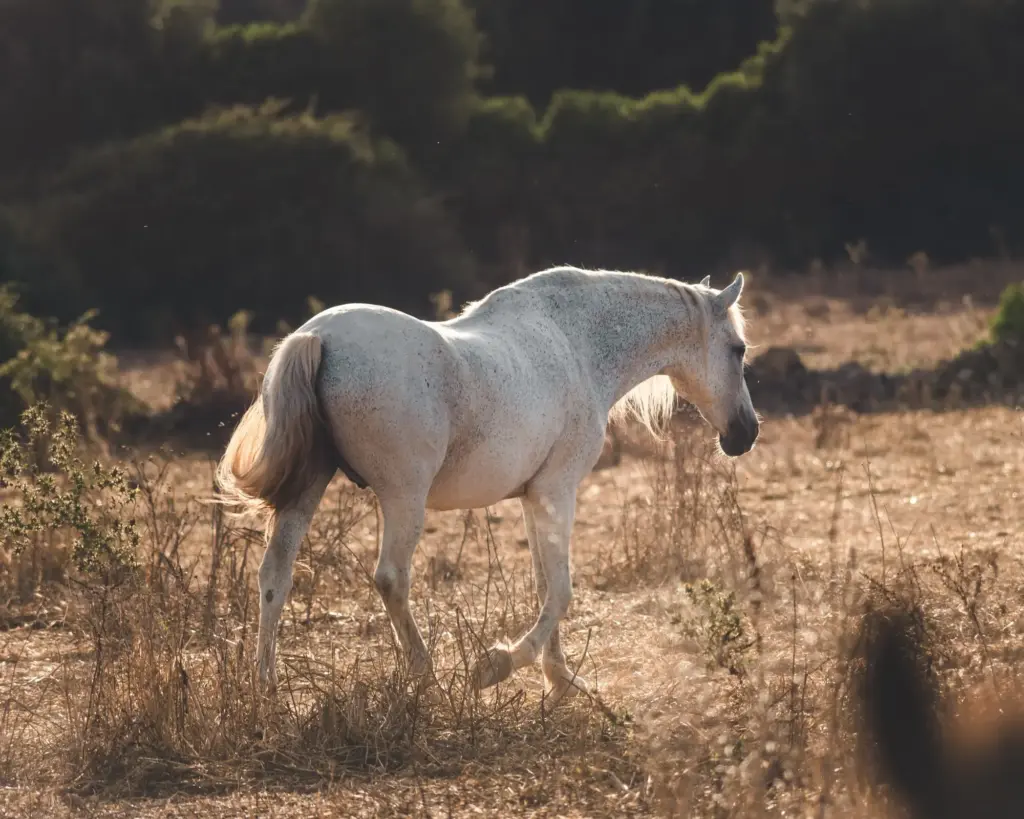


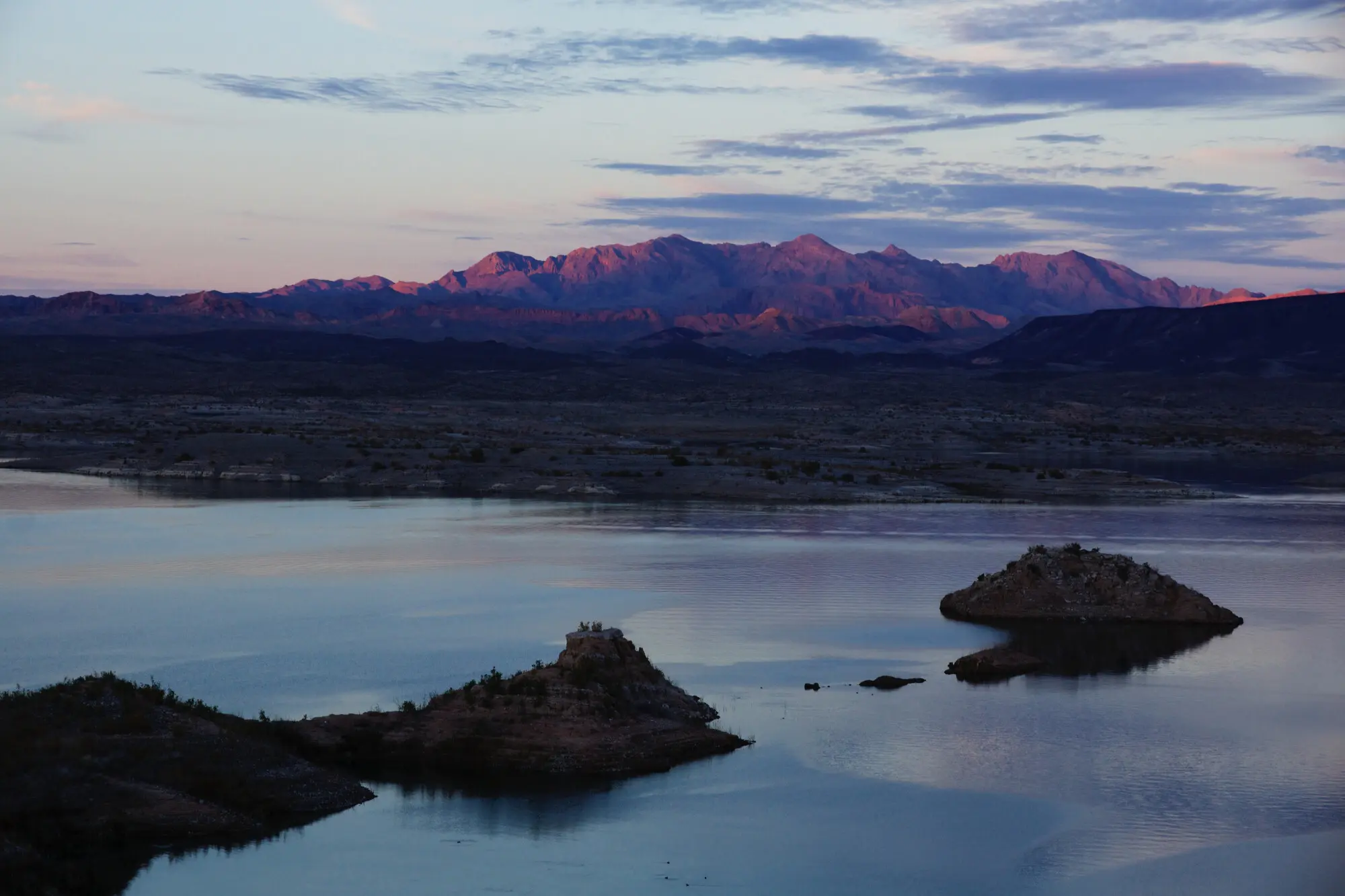
A single walker on the ridge, a tiny figure near a fence, or a fisherman on the shingle can turn abstraction into relatable place. Keep subjects small enough to preserve grandeur but visible enough to anchor scale. Use a fast shutter if wind threatens sharpness, and invite viewers’ eyes to travel from detail to horizon. Ethical note: never ask anyone to approach edges. Compositions work best when safety and story align comfortably within established paths and signed viewpoints.
Experiment with shutter lengths from half a second to thirty seconds to find your preferred conversation between water and rock. Too long can melt character; too short may read as chaos. Aim for streaks that echo chalk striations, or calm planes that cradle the cliffs’ architecture. Use live view magnification and manual focus on high-contrast edges; recheck between frames because temperature shifts and wind can nudge sharpness. When highlights threaten, underexpose slightly and recover midtones carefully in post.
When the western glow fades gently, consider radical simplicity. Let the horizon sit lower than habit, allowing gradients to carry emotion while chalk becomes a graphic anchor. Remove distractions ruthlessly and embrace clean lines. A longer focal length can crop away clutter and amplify color transitions. If a lone gull enters frame, time a quiet shutter to punctuate the gradient. Subtlety wins: a restrained palette and deliberate spacing often communicate the stillness of evening better than any blazing sky.
Stay well back from edges and keep tripods away from crumbly lips; chalk is porous, fissured, and weakened by rain. Avoid walking beneath overhangs at the beach, particularly after storms or freeze–thaw cycles that loosen blocks. Keep conversations about safety normal and calm with companions, setting default distances everyone respects. If fog blankets the headland, slow down, mark your route, and prioritize conservative compositions from behind barriers. The picture you skip is far better than a close call in darkening conditions.
Arrive early enough to find parking and walk unhurriedly to your first viewpoint. National Trust facilities at Birling Gap often provide steps, toilets, and information, but check seasonal hours. A reliable headlamp with red mode preserves night vision and spares fellow photographers. Save offline maps, note exit bearings, and drop pins before twilight. Pebbles shift underfoot; trekking poles offer stability and reduce slips on damp grass. After shooting, pack out rubbish and give wildlife and late strollers considerate space along narrow paths.
If considering aerial work, research local regulations, landowner permissions, and airspace rules; many sensitive habitats and managed lands restrict drone flights. Even when legal, downwash can disturb nesting birds along cliffs. Keep distance from kittiwakes, gulls, and kestrels hunting on the updrafts. Avoid loud music, dim your headlamp when others compose, and step aside on narrow trails. Share viewpoints with patience, offer a friendly nod, and protect the hush that makes this coastline special at day’s end.

I had packed to leave when the bird appeared, steadied by invisible lift. Telephoto ready, I framed it against chalk, the lighthouse keeping silent watch to the left. The shutter’s whisper felt almost rude. Reviewing later, I found a balance I hadn’t planned: a living accent atop ancient lines, time layered within a single breath. Tell us about your unexpected visitors, because chance encounters often become the brightest notes in coastal portfolios.

Fog rolled in from nowhere, swallowing fences, path, and any thought of grand vistas. I shifted to minimal scenes—dew-beaded grasses, pale edges dissolving into pearl. A quiet evening emerged, contemplative and slow. Sometimes the coastline asks for restraint rather than spectacle. If haze softens everything on your visit, lean into it and invite atmosphere to lead. Share how you adapted, which lenses carried you, and how your edits honored the hush without forcing contrast that wasn’t there.
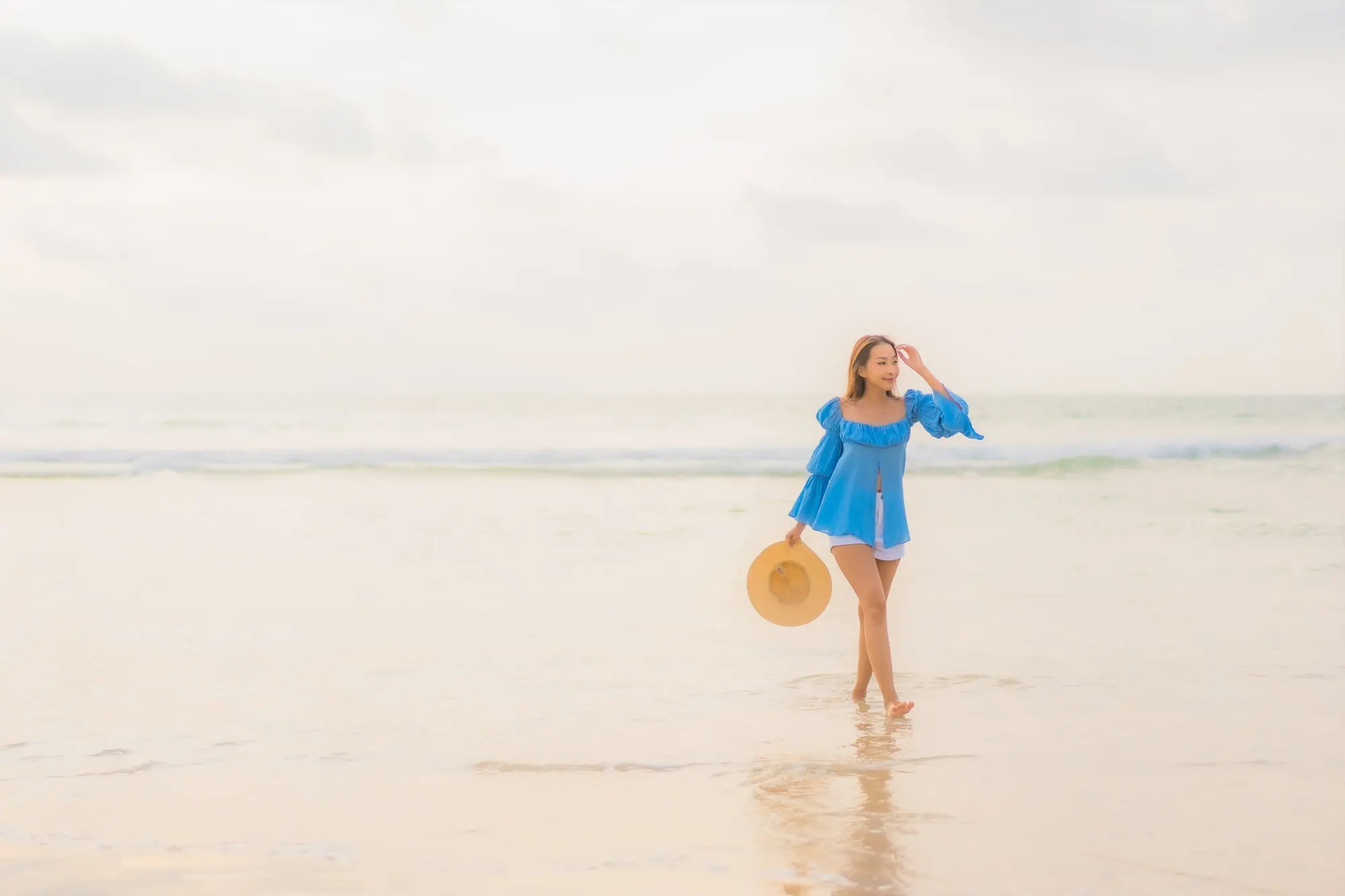
Your experience helps others make safer, more creative choices. Drop a note with parking availability, step conditions at Birling Gap, and how the tide looked versus forecast. Link to a public map pin for your favorite fence corner or safe overlook. Ask questions about filters, composition puzzles, or processing knots and expect thoughtful replies. Subscribe for local alerts on coastal paths, community sunset walks, and seasonal changes across these cliffs. Together, we keep learning, exploring, and returning kindly to the edge.
All Rights Reserved.